
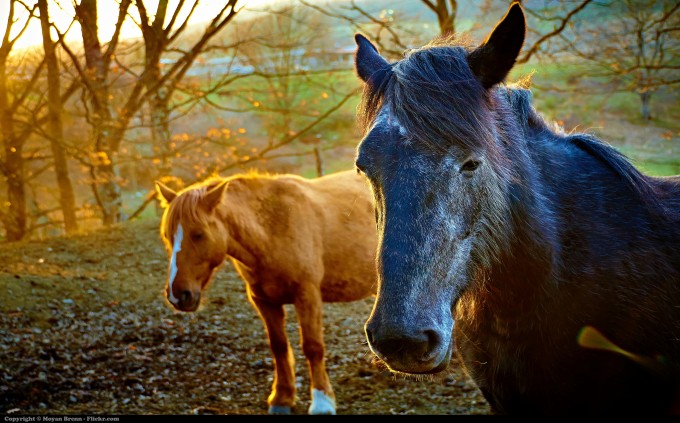
It’s every little girl’s dream! Your very own family horse to ride whenever you want. If you’re kids are anything like ours, there’s been just one thing at the top of the Christmas wish list: a pony! Now, we all spoil the children from time to time, but you need to think long and hard about bringing a horse into the family. It’s an enormous commitment, on both your time and finances. This isn’t just your average family dog! It costs thousands to buy a horse, maintain its stables and health care. Is that something you and your family are prepared to accept?
Of course, let’s not just look at the negatives. The benefits of owning an animal are enormous. It creates a deep, loving bond between your children and the horse. They’ll ride, and learn new skills every single day. It will also teach them the importance of caring for animals, and putting the needs of others first. A good horse acts as a best friend! It also gives you something to do as a family at the weekends. You can take the pony out onto the fields, and ride together. It’s a wonderful addition to your life. But, please, read this post first, and make sure you’re prepared for what’s ahead!
Start taking lessons
If you haven’t already, you and your family should start taking horse riding lessons. It will give you a familiarity with the animal that you need to develop. Understanding the subtle movements, actions, and behaviours of the horse is key to looking after it. You need to spot any small problems, and react to its temperament. Riding lessons will give you that level of understanding, and it will slowly become second nature. Every horse has its own personality and character. Riding them lets you get to know them as well as possible. Also, horses love to stretch their legs, and gallop. Make sure you’re giving them every opportunity to do so.
Why not start with a lease
If you’re not quite sure whether your family is ready for a horse, start with a simple lease. Leasing an animal is much the same as leasing a car! You pay the owner a monthly amount, and you’ll take care of the horse for an agreed term. It’s the best way to introduce yourself to the world of horse ownership. You’ll get a sense of the time commitments involved, and start to learn the ropes. After a few months, assess how you’re all feeling about the commitment. Do you wish you could spend even more time with the horse? Then you’re definitely ready to buy! If you’re at all unsure about carrying on, it’s probably best to leave it. It’s not in your best interests or the horse’s.
Consider their temperament
If you’ve decided you’re definitely willing to take care of a pony full time, you’re ready to start looking. Now, the most important factor with any horse purchase is their temperament. A calm, relaxed horse is the best possible solution, even for experienced riders. An aggressive horse will be very difficult to look after, and near impossible to ride. It will spoil your enjoyment of the animal, and it won’t get the care it deserves. It’s a particularly important consideration when the whole family is involved. Children need to be introduced to a calm, friendly horse. If not, it’s dangerous.
Consider your time commitments
We all like to think we would make time for the animal on a daily basis. But, ask yourself the same question two years later when you’re up at 5am on a November morning! Horses take up an enormous amount of your time, and you need to treasure and love every moment. (Okay, not every moment!) But most of them. You’ll be up early to feed the horse and clean its stables. You’ll visit again in the evening to let it run and exercise. It’s a round-the-clock job, and it will make arrangements very difficult.
Board costs
Now that we’ve covered the time commitments, let’s take a look at the financial commitments! Looking after a horse certainly isn’t cheap, though the rewards are priceless. Buying the horse in itself is a huge cost, and you’ll notice the hit to your bank account. Then, there are all the extras and maintenance involved. First of all, get plenty of quotes for your board costs. Very few horse owners have their own stable onsite. So, you’ll need to rent boarding space in your local stables.
Farrier costs
Your horse’s shoes won’t repair themselves. Every six to eight weeks, your animal will need a trip to the farrier to repair and replace their shoes. The cost will vary depending on the type of shoe trimming you choose and the local market prices. It’s also worth bearing in mind that older horses will need repairs and corrections more often.
Vet fees
Just like any other animal, horses are susceptible to illnesses and health conditions. First of all, there are required vaccinations and ongoing treatment. We’re talking about things like equest wormer, tetanus, and equine influenza. We suggest taking a comprehensive horse insurance policy out too. Horses are specialist animals, and the vet fees usually reflect that!
Tack and equipment
As we explained before, you’ll want to ride your horse as often as possible (ideally every day). It keeps them in good health, and good spirits. That means investing in some quality tack and equipment. You’ll need your own horse riding clothing and equipment for starters. Then, consider the cost of saddles, reins, and stirrups. Each need regular maintenance and replacements.
Food
Until you’ve looked after a horse, you won’t quite believe how much they eat! Remember, they’re enormous animals, and they eat to keep it that way. A horse will typically eat up to 2% of its own body weight in hay and grains every day. For an average horse, that’s a staggering 10kg of food. That certainly doesn’t come cheap!
If you’ve reached the end of this post, and you’re convinced that you’re ready, then congratulations! You’re about to welcome a friendly (and gigantic) new member to the family. Good luck!