
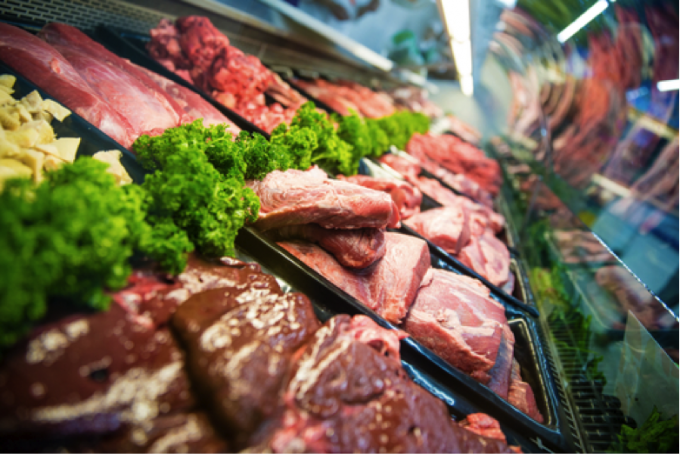
If you are trying to get more quality protein into your diet, you can’t beat meat. A 3-ounce serving of chicken breast contains 18 grams of protein, and a generous 9-ounce steak contains about 75 grams. Of course, all meat is not created equal; while some cuts and varieties are low in saturated fat and cholesterol, others are high in calories and fat and should be eaten in moderation. With this in mind, let’s take a look at some of the healthiest types of meat and how to prepare them to maximize their nutritional value.
Some healthy meat options
When it comes to poultry, it’s hard to beat white breast meat without the skin. A 3-ounce serving of boneless and skinless chicken or turkey has 97 or 115 calories, respectively. In terms of fat count, the chicken weighs in with 2.2 grams and the turkey with 0.6 grams. While many types of red meat are high in saturated fat and cholesterol, there are plenty of healthy cuts, including sirloin, top round roast and filet mignon. Generally, if the meat looks marbled (like T-bone steaks typically do), this means it has a higher fat content. If you enjoy pork, follow the same tips you use for choosing red meat; look for cuts that have little or no visible fat, such as ham and loin chops. To check the nutrition information of just about any food, visit the USDA’s National Nutrient Database.
Preparation may impact nutrition
The way you prepare your meat may impact its nutritional value. The protein and mineral content of red meat will not be negatively impacted by the way you prepare it, but its vitamin content can be. For example, water soluble vitamins like the B family can drop if red meat is cooked for a long time, at a high temperature, or in water. Fat-soluble vitamins like E can be lost if the red meat is cooked in large quantities of fat. On the other hand, chicken’s nutritional value remains the same no matter how it is prepared, according to FitDay.
Healthiest ways to prepare meat
To minimize the loss of red meat’s vitamins, try stir frying with a small amount of oil; this preparation method is typically very brief, although the cooking temperature does tend to be high. If you love jerky, you are in luck — dehydrating meats is also another healthy option. In addition to increasing the amount of protein per gram of meat, dehydrating meat at very low temperatures tends to leave the nutritional content intact. If you would like to try making your own beef jerky at home, Cabela’s offers a great selection of dehydrators.
Although the protein, vitamin and mineral content of chicken will not be negatively impacted by the way it is prepared, some cooking methods are better than others. For instance, fried chicken may have the same amount of protein as baked chicken, but it’s also a lot higher in saturated fat and calories. Choose whole grain products to bread your chicken, take the skin off before cooking it, and read the label when using sauces, marinades and rubs to be sure they are not high in calories, sugar or sodium.
2 Responses
What great tips! Thanks for sharing them. All of your tips go very well with our heart healthy diet. It is nice to know that you can still eat meat and be healthy – you just have to choose the right kind and prepare it the right way.
Amazing list of how to prepare meat the healthy way, nice article, good read and informative. Learn a lot of stuff today.