
 Each year nearly 3.8 million people participating in sports and recreational activities will suffer a concussion. A concussion can happen when participating in any sport, at any level of play, from little league to the major leagues. As a parent, you have an important role in ensuring the safety of your child by encouraging concussion awareness and prevention. Here are 5 ways you can take a proactive role in your athlete’s health and safety when it comes concussions and brain injuries.
1. Do your research. Learn the symptoms of concussions and traumatic brain injuries so there is never a question as to whether or not your child is presenting symptoms. Always make sure your reviewing material supported by the opinion of medical professionals. A great place to start your education is with the Center for Disease Control and Prevention’s “Heads Up” course.
2. Quiz and role play with your child. Make an effort to pass your knowledge on to your child. Quiz your child regularly on the symptoms and facts of concussions. Consider role playing with your child, so they know how to have a dialogue with their coach about their symptoms, or symptoms their friend is experiencing should they ever be hurt on the field.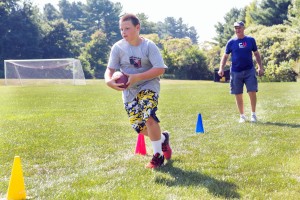
3. Encourage open communication and ask questions. Initiate a friendly and open relationship with your child’s coach by introducing yourself early in the season. Continue to maintain regular contact with the coach and ask your coach how he plans educate the team on concussion safety and prevention. Forging an open relationship with your child’s coach, and communicating with them regularly, will encourage your child to air concerns openly to their coach should they sustain a concussion or injury in play.
4. Know whom the medical professional is. You should always know who is will be in charge of your child’s medical care or whom to speak with should your child ever get hurt; this person could be a school nurse, trainer or the coach. Additionally, your child’s medical information should always be up to date and on file at their school or sports organization so any medical professional can best assess your child’s course of treatment.
5. Celebrate safe and legal play. Celebrate when your child makes a play that is completed with good form and technique. Should you catch your child making plays that are overly violent, talk to your child about why they are competing in that manner. If your child says that was how he was taught to play, consider following up with your child’s coach to review how you can help reinforce safe play with your child, which, will help reinforce coach that you want your child being coached safely.
Thanks www.coachup.com for these great tips
One Response
Love your blog but these tips are ,,well,,,pathetic. Why not ask an MD or concussion expert for tips.. Just saying.